Turn random inspiration into a flowing essay: a step-by-step guide from idea to perfect final draft.

Writing an essay can often feel daunting, but with simple steps from inspiration to final draft, the process can be a fun adventure that produces quality work. Below,Best Essay Writers Best Essay Writers will provide information on guidelines for quality academic writing.
Capturing Initial Inspiration
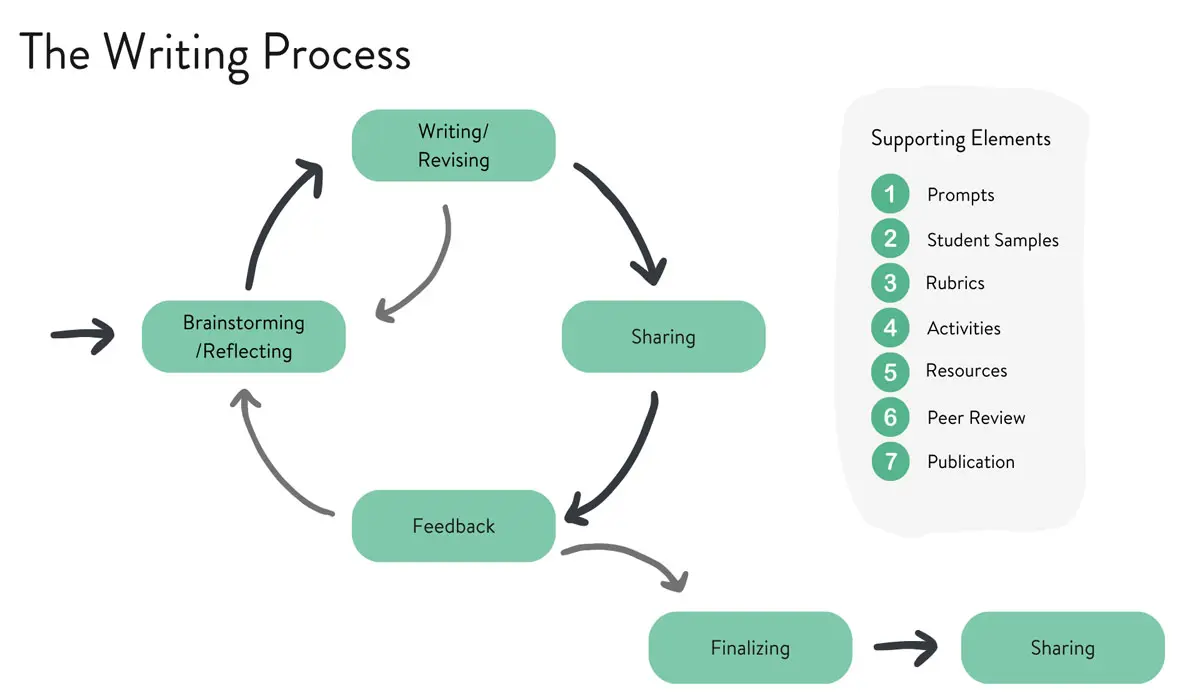
Essay inspiration can arise from everyday observations or deep questions that pique your curiosity. Start with an idea journal: jot down any topics that arise, such as “Why does morning coffee change your mood?” without censorship. Authors like Julia Cameron recommend “morning pages” for a free flow, producing the seeds of an authentic essay.
Identify your passion; the best essays flow from personal interests. Ask: What do I want to say to the world? Create a simple mind map with main branches for subtopics, helping you visualize your ideas without the pressure of a formal structure.
Designing an Essay Outline
An outline is a roadmap that keeps your essay from getting lost. Divide it into an introduction (hook + thesis), body (3-5 main arguments), and conclusion. Use a bulleted outline: point 1 for the personal story hook, points 2-4 for evidence and examples.
Define your audience and purpose: is it to persuade, explain, or entertain? This sets a formal tone for academics, casual for blogs. Test your outline by skimming it; ensure it flows logically like a story with a beginning, middle, and satisfying end.
Flexibility is key: the outline isn’t a prison, but a guide. Revise it if new ideas arise, keeping the process dynamic and fun.
Also Read: The Vital Role Of Writing Support For University Students
Drafting the First Draft
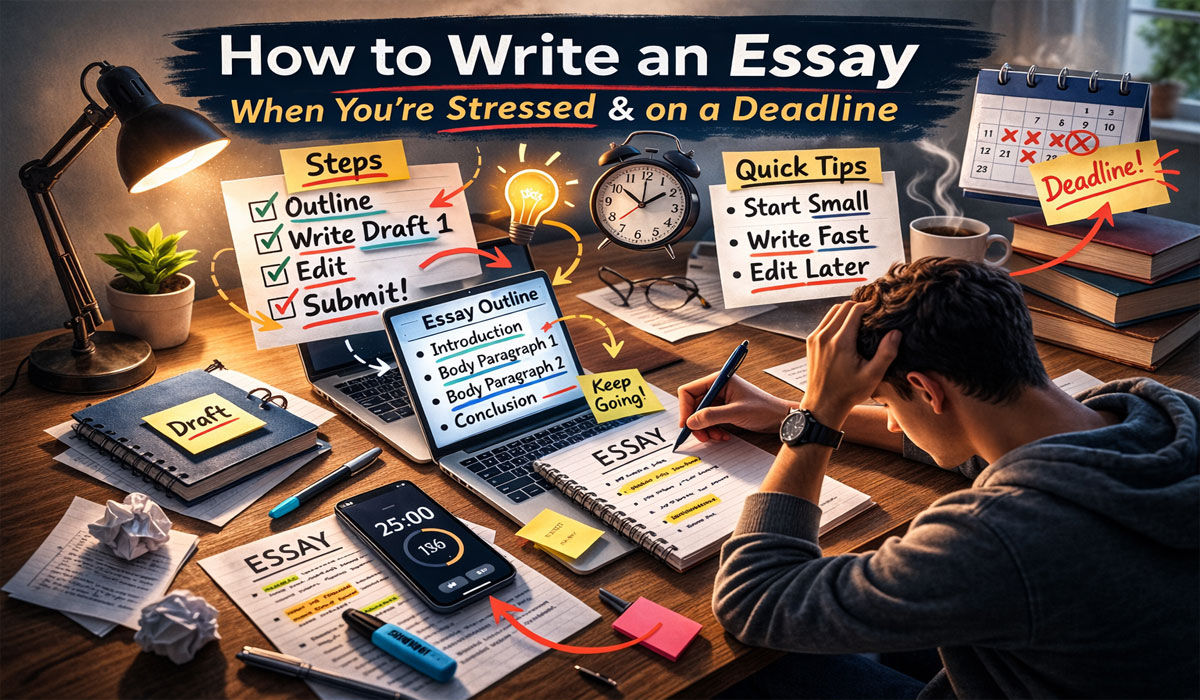
The first draft focuses on speed, not perfection write relentlessly like a flowing river. Set a 25-minute timer (the Pomodoro technique) for each section, and ignore grammar for now. Remember Hemingway’s rule: write drunk, edit sober.
Fill the outline with details: add personal anecdotes, simple data, or relevant quotes. If you get stuck, skip paragraphs and come back later. Aim for 20% longer than the final word to allow for editing space.
Editing Towards the Final Draft
Editing turns a rough draft into a gem: reread it with a critical eye, trimming up to 20% of unnecessary words. Check the flow: are there smooth transitions like “therefore” or “imagine if”? Replace passive voice with active voice for energy.
Check your facts, grammar, and style using tools like Grammarly or read aloud. Ask a friend for feedback for outside perspective, but trust your own voice. Vary your sentences for rhythm: short for impact, long for depth.
The final draft is ready when the essay flows smoothly, is convincing, and leaves an impression. Save older versions to learn from the process.
Drafting the First Draft
The first draft is a wild river that doesn’t need to be perfect; focus on a relentless pace. Set a timer for 25 minutes per section, ignore spelling or grammar for now. The Pomodoro Technique unleashes creativity, as Hemingway said: write drunk, edit sober.
Fill your outline with vivid details: add personal stories, simple facts, or favorite quotes. If you get stuck, skip paragraphs and continue come back later. Aim for 20% more than the final length for cutting room.
Take advantage of your time to gain interesting insights on how to write academic writing that is interesting and effective only at Best Essay Writers.
Image Source:
First Image summer.harvard.edu
Second Image blog.writetheworld.org