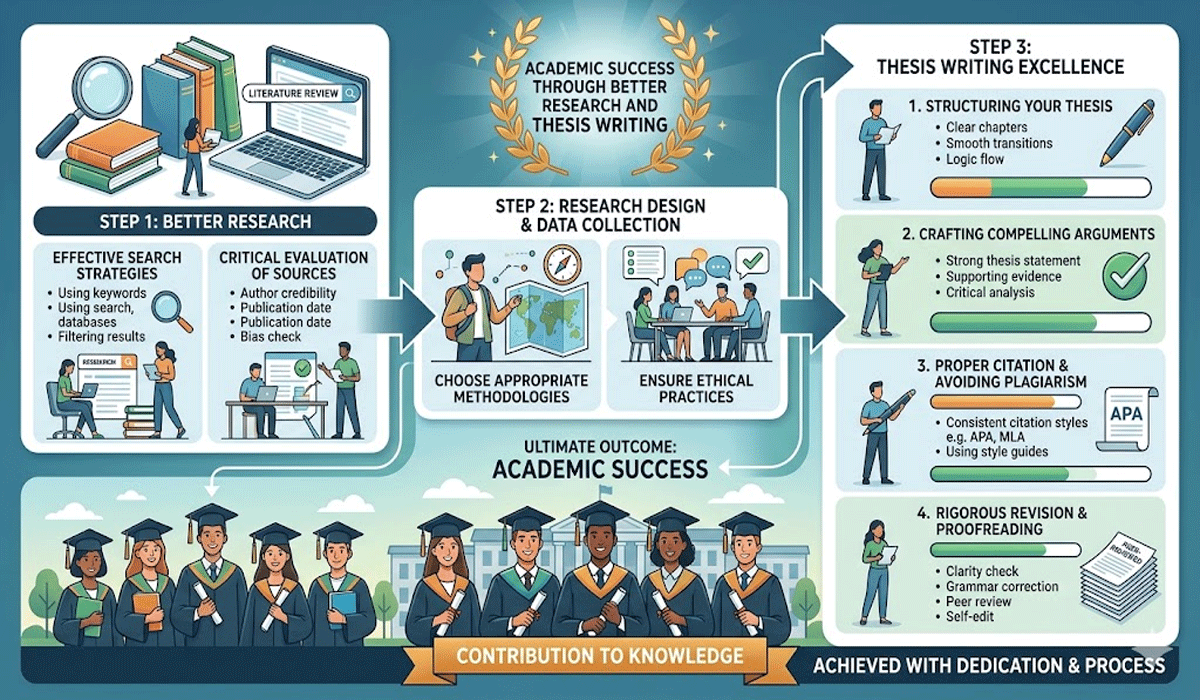
Learn the proper thesis writing techniques from the initial idea to the final document for more effective academic research results.
Writing a thesis often becomes the biggest challenge for students, from determining the idea to compiling the final document. However, this process can be more structured if the right writing techniques are used. With a step-by-step guide, students can transform research ideas into systematic, clear, and high-quality academic documents.
The following Best Essay Writers will discuss effective thesis writing techniques to make the research process easier and the final results more satisfying.
Determining Research Ideas and Topics
The first step in writing a thesis is to determine a relevant and interesting research idea. The right idea will make the entire writing process easier. Choose a topic that aligns with your interests, has available references, and contributes to your academic field.
Additionally, ensure that the research topic has a clear focus. Avoid overly broad themes that are difficult to manage. Determining the research boundaries from the beginning will make writing chapter by chapter easier, resulting in a more structured and focused thesis.
Preparing a Thesis Framework
After determining the topic, the next step is to outline the thesis. This framework serves as a guide to ensure that each chapter has a logical flow and is interconnected. Typically, the framework includes an introduction, literature review, research methods, research results, and conclusion.
A good outline helps the writer know which parts to complete first. It also facilitates time management for writing each chapter, ensuring that no part is overlooked. Additionally, an outline allows students to map the relationships between sections.
Also Read: Professional Academic Writing Services to Boost Student Success
Chapter and Paragraph Writing Techniques

Writing chapters and paragraphs requires a strategy to ensure that the information is conveyed clearly. Each chapter must have a specific purpose, and each paragraph should support that purpose. Use formal, straightforward, and academic language so that the thesis appears professional.
Start each paragraph with a clear topic sentence, then support it with arguments, data, or references. End the paragraph with a closing sentence that summarizes the content or connects to the next paragraph. This technique keeps the flow of the writing logical and easy to follow.
Use References and Citations Properly
References and citations are important elements in a thesis. Use credible and relevant sources related to the research topic. Accurate citations support arguments and demonstrate understanding of the existing literature.
Ensure that every citation adheres to the specified citation style, such as APA, MLA, or Chicago. The use of consistent and accurate references avoids plagiarism and strengthens the academic quality of the thesis.
Thesis Revision and Editing
The writing process does not stop at the first draft. Revisions and editing are very important to improve the quality of the thesis. Check the consistency of arguments, the flow of writing, and the clarity of language. In addition, pay attention to the format, layout, and spelling.
Take the time to reread each chapter and ensure that every piece of information is conveyed well. If necessary, ask for the opinion of your supervisor or colleagues. Lastly, make sure all references are recorded correctly and there is no plagiarism.
Conclusion
Writing a thesis is a long journey from idea to final document. By selecting the right topic, outlining the framework, writing chapters systematically, using accurate references, and conducting thorough revisions, students can produce a quality thesis.
Structured writing techniques help facilitate the research process, maintain focus, and enhance academic credibility. This approach ensures that research ideas are realized into clear, systematic, and accountable documents.
Image Source:
First Image from: writershivemedia.com
Second Image from: medium.com