Learn how to structure a perfect essay with clear steps for introductions, body paragraphs, flow, and strong conclusions.
A well-structured essay not only communicates ideas clearly but also demonstrates critical thinking and logical organization. Many students struggle not because they lack ideas, but because they fail to present them effectively. Understanding essay structure can significantly improve clarity, coherence, and overall academic performance.
Below, TEACHING will provide some explanations regarding Reinventing Learning Systems for an Innovation-Driven Future.
Understanding The Essay Structure
A standard essay generally follows a simple structure consisting of an introduction, body paragraphs, and a conclusion. Each part has a specific role in guiding the reader through the writer’s ideas in a logical flow. Without structure, even strong arguments can become confusing or ineffective.
The introduction presents the main topic and thesis statement, while the body develops supporting arguments. The conclusion summarizes the key points and reinforces the thesis, leaving a lasting impression on the reader.
Crafting A Strong Introduction
The introduction is the first impression of your essay, so it must be engaging and clear. It should begin with a hook that captures attention, such as a question, fact, or statement relevant to the topic. This helps draw the reader into your discussion. After the hook, the introduction should provide brief background information. It then ends with a thesis statement that clearly defines the main argument or purpose of the essay.
Developing Clear Body Paragraphs
Body paragraphs form the core of an essay and should each focus on a single idea. Every paragraph should begin with a topic sentence that introduces the main point, followed by supporting details and explanations. Evidence such as examples, data, or references strengthens the argument. A clear connection between sentences ensures smooth transitions and improves readability throughout the essay.
Read Also: Boost Your Grades Instantly with the Ideal Essay Writer
Using Logical Flow And Coherence
A well-structured essay must maintain logical flow between ideas. This means each paragraph should connect naturally to the next, creating a smooth progression of thoughts. Transition words play an important role in achieving this coherence. Phrases like “however,” “in addition,” and “for example” help guide the reader through arguments. Without coherence, an essay may feel disjointed and difficult to follow.
Strengthening Your Argument
A strong essay not only presents ideas but also supports them convincingly. This requires critical thinking and the ability to analyze information rather than simply describing it. Writers should also consider opposing viewpoints and address them fairly. This shows depth of understanding and makes the argument more balanced and persuasive.
Writing An Effective Conclusion
The conclusion is the final opportunity to reinforce your message. It should restate the thesis in a new way without repeating it exactly, and summarize the main points discussed in the body. A strong conclusion leaves the reader with a clear understanding of the essay’s purpose. It may also include a final insight or reflection to make the essay more memorable.
Final Tips For Perfect Essay Structure
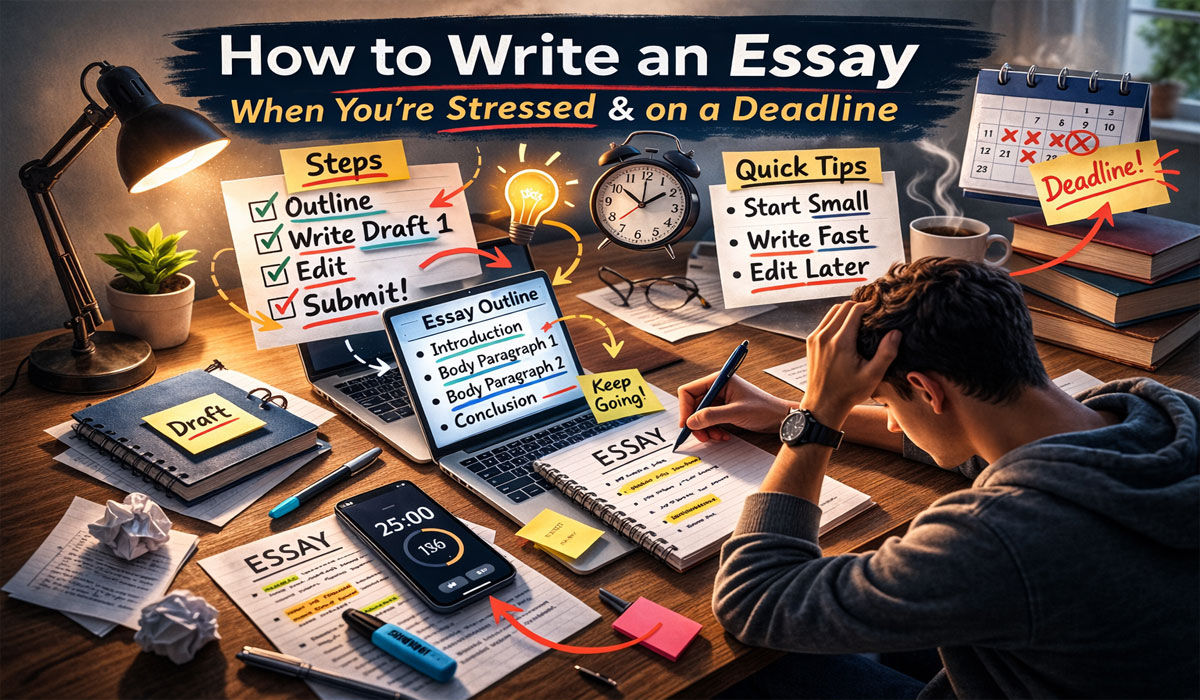
Consistency and clarity are key to maintaining a strong essay structure. Writers should always plan before writing, ensuring each section has a clear purpose and direction. Editing is equally important, as reviewing the essay helps identify gaps in logic or structure. With practice and attention to detail, anyone can master the art of essay writing.
Conclusion
Structuring a perfect essay requires understanding its basic components and how they work together. From a compelling introduction to a strong conclusion, every part plays a vital role. With clear organization, logical flow, and strong arguments, your essay can become more effective and impactful. For the latest and most interesting related information, you can also click the TEACHING link.
Image Source:
- First Image from: ican-education.com
- Second Image from: researchgate.net