Academic success is not only measured by grades, but also by the ability to think critically, conduct meaningful research, and communicate ideas effectively.
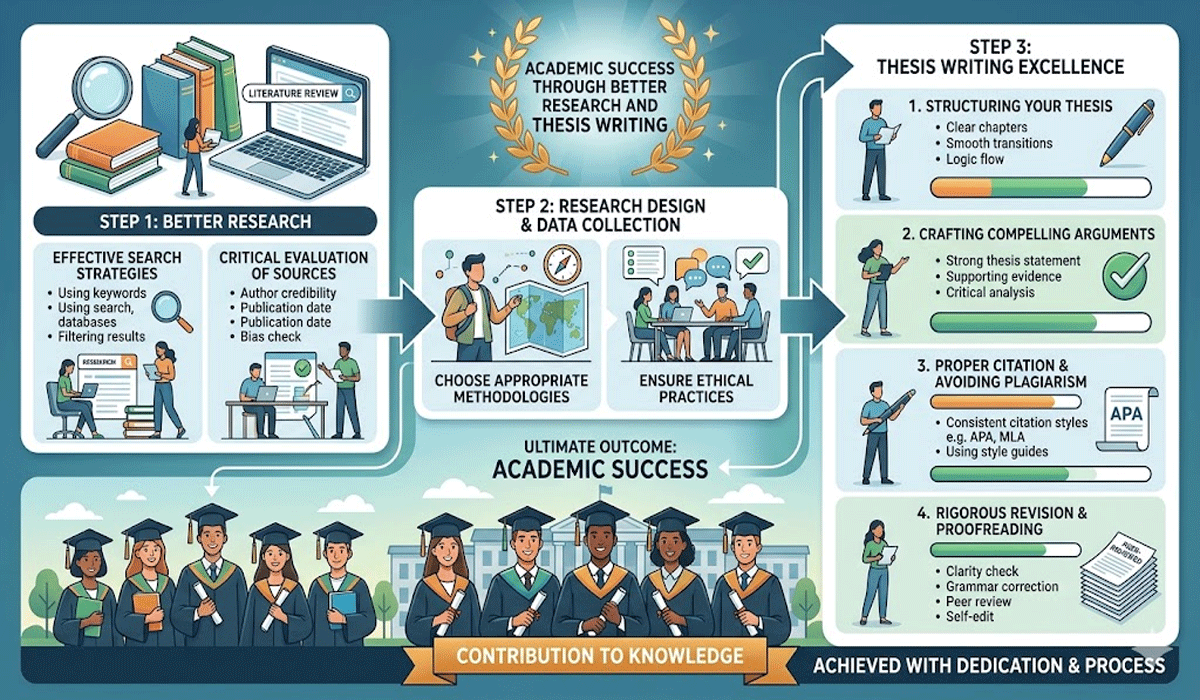
Among the most important milestones in higher education are research projects and thesis writing, which require discipline, structure, and analytical thinking. These tasks often challenge students, but they also provide opportunities to develop deep academic and professional skills.
This Best Essay Writers article will explores how better research practices and improved thesis writing techniques can lead to stronger academic performance and long-term success in education.
Understanding the Role of Research in Academic Growth
Research is the foundation of academic learning because it encourages curiosity, analysis, and evidence-based thinking. Through research, students learn how to ask meaningful questions and seek reliable answers using credible sources.
It also helps students develop the ability to evaluate information critically rather than accepting it at face value. This skill is essential in both academic and real-world decision-making.
By engaging in consistent research practice, students gradually build intellectual independence and a stronger academic mindset.
Choosing a Clear and Focused Thesis Topic
A strong thesis begins with a clear and well-defined topic. Many students struggle not because of writing itself, but because their topic is too broad or unclear.
A focused topic makes it easier to gather relevant data, structure arguments, and maintain direction throughout the research process. It also helps prevent unnecessary confusion during writing.
Selecting a topic that is both interesting and researchable increases motivation and leads to better academic outcomes.
Read Also: How Academic Writing Services Are Transforming Modern Education
Building a Strong Research Structure
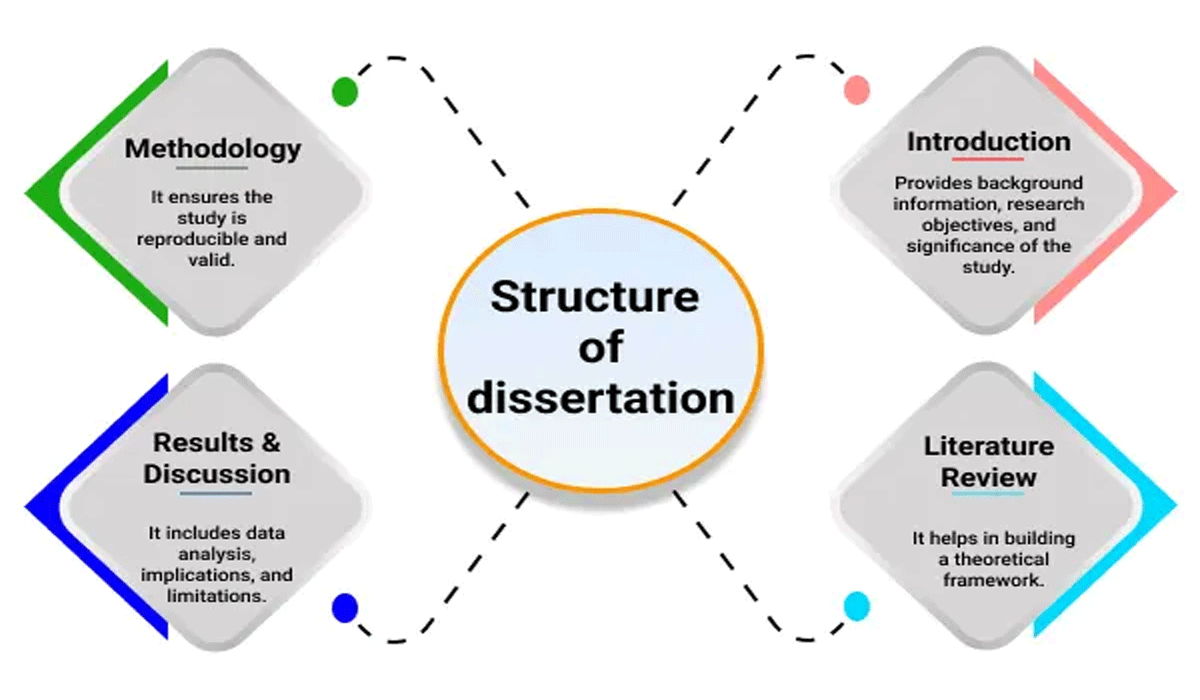
A well-organized research structure is essential for producing high-quality academic work. It usually includes an introduction, literature review, methodology, results, and discussion.
Each section serves a specific purpose and contributes to the overall clarity of the thesis. Without structure, research can become disorganized and difficult to follow.
A clear structure also helps readers understand the logic behind the arguments and strengthens the credibility of the work.
Using Reliable Sources and Data
The quality of research depends heavily on the sources used. Reliable academic sources such as journals, books, and verified publications are essential for building strong arguments.
Using weak or unverified sources can reduce the credibility of the entire thesis. Therefore, careful selection of references is a critical step in the research process.
Proper citation and referencing also demonstrate academic integrity and respect for original authorship.
Developing Clear and Academic Writing Skills
Thesis writing requires clarity, precision, and formal language. Unlike casual writing, academic writing must be structured and objective.
Each paragraph should focus on a single idea and be supported by evidence or analysis. This makes the argument easier to understand and more persuasive.
Improving writing skills takes time, but consistent practice leads to more confident and effective academic communication.
Managing Time and Research Progress
Time management plays a crucial role in completing a thesis successfully. Without proper planning, students may struggle to meet deadlines or produce quality work.
Breaking the research process into smaller tasks helps make the workload more manageable. Setting weekly or daily goals can improve consistency and reduce stress.
Effective time management ensures steady progress and allows enough time for revision and improvement.
Revising and Improving the Final Draft
Revision is one of the most important stages in thesis writing. It allows students to identify errors, improve clarity, and strengthen arguments.
A strong first draft is rarely perfect, so multiple revisions are often necessary to refine the work. Feedback from supervisors or peers can also provide valuable insights.
Careful revision ensures that the final thesis is clear, coherent, and academically strong.
Conclusion
Academic success through research and thesis writing depends on discipline, structure, and continuous improvement. These skills not only help students complete their studies but also prepare them for future professional challenges.
By developing strong research habits, improving writing skills, and managing time effectively, students can achieve higher academic performance and produce meaningful scholarly work.
First Image: essayhubb.com
Second Image: gotoppr.com