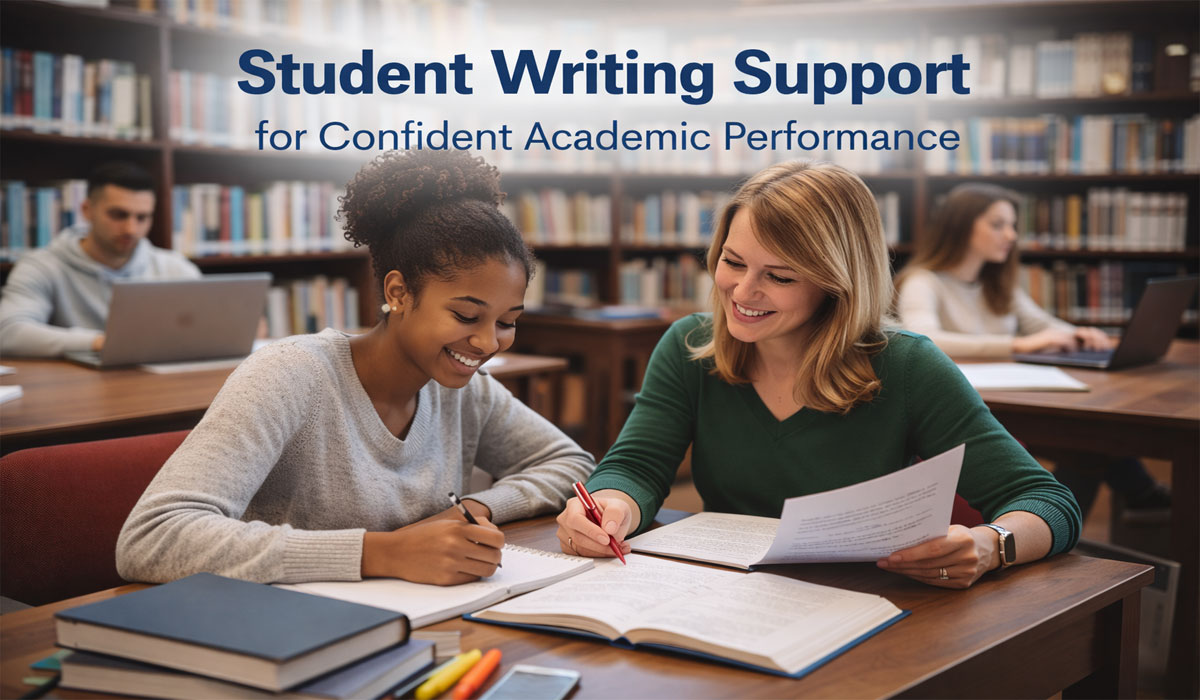
Effective collaboration between students and lecturers enhances writing skills, academic performance, and confidence in academic writing.
Writing is a vital skill for academic achievement, yet many students struggle to express their ideas clearly and cohesively. Developing strong writing skills requires more than individual effort; it thrives on guidance, feedback, and collaboration.
One of the most effective ways to enhance students’ writing abilities is through active collaboration between students and lecturers, complemented by resources such as Best Essay Writers that provide examples, guidance, and inspiration.
The Importance Of Student-Lecturer Collaboration
Collaboration between students and lecturers bridges the gap between theoretical knowledge and practical application. Lecturers bring expertise in structuring arguments, citing sources, and academic conventions, while students contribute fresh perspectives and curiosity.
This two-way interaction allows lecturers to identify specific weaknesses in student writing, such as unclear thesis statements, poor paragraph transitions, or inconsistent style. By working together, students gain personalized guidance, making the learning process more targeted and effective.
Structured Feedback For Improvement
Feedback is a cornerstone of collaborative writing. When lecturers provide detailed, actionable feedback rather than general comments, students can understand exactly what to improve. Constructive feedback may address grammar, clarity, organization, and overall argument strength.
Additionally, iterative feedback where students revise work based on lecturer input reinforces learning and encourages continuous skill development. Over time, students develop self-editing habits and critical thinking skills, which are essential for academic and professional success.
Also Read: Academic Writing Services That Make Studying Easier
Peer Review And Collaborative Learning
In addition to direct lecturer guidance, peer review sessions offer another dimension of collaboration. Students exchange drafts and provide feedback to one another, guided by criteria set by the lecturer.
This practice exposes students to different writing styles, helps them critically evaluate content, and improves their ability to communicate suggestions effectively. Combining peer review with lecturer oversight creates a comprehensive support system that encourages growth, accountability, and collaboration.
Utilizing Technology For Writing Support
Technological tools play a significant role in modern collaborative writing. Platforms such as Google Docs, learning management systems, and online forums allow lecturers to monitor student progress, comment in real time, and provide immediate feedback.
Virtual workshops, webinars, and collaborative writing software offer flexible learning opportunities that supplement traditional classroom instruction. Technology ensures students remain engaged, receive timely support, and can access resources anytime, making collaboration more efficient and effective.
Building Confidence And Long-Term Skills
Collaboration not only improves technical writing skills but also boosts student confidence. With consistent guidance and encouragement, students feel more capable of tackling complex writing tasks.
Confidence motivates experimentation, deeper critical thinking, and creative approaches to academic work. Over time, students not only produce higher-quality assignments but also develop lifelong writing skills that will benefit them in professional and academic pursuits.
Conclusion
Collaboration between students and lecturers is essential for developing strong, effective writing skills. By integrating structured feedback, peer review, and technology, students gain guidance, build confidence, and enhance their academic performance.
This collaborative approach nurtures both immediate improvements in writing and long-term skills that support success beyond the classroom.
Image Source:
- First Image from: evidencebased.education
- Second Image from: teaching.resources.osu.edu