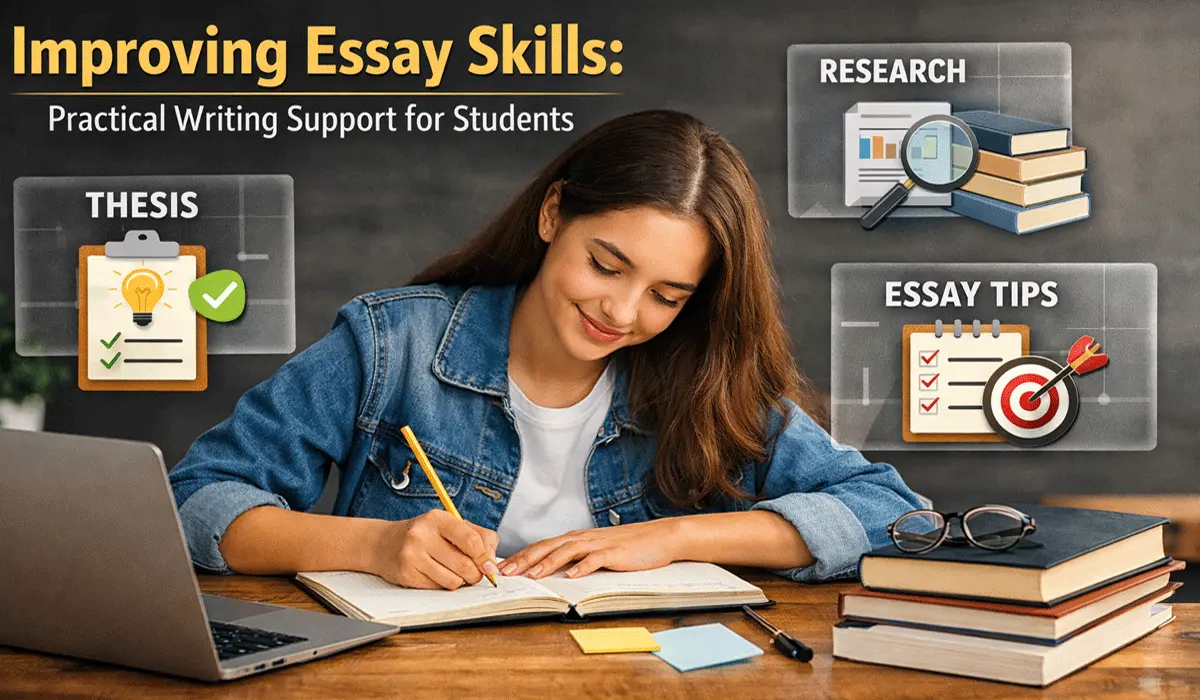
Writing is an essential skill for academic success, yet many students struggle to express their ideas clearly and effectively.
Effective writing assistance provides students with the guidance, tools, and confidence they need to improve their writing skills. By offering structured support, personalized feedback, and resources tailored to individual needs, educators can empower students to become more confident and capable writers.
This article by Best Essay Writers will discuss key strategies for providing effective writing support and improving student learning outcomes.
Understanding the Challenges Students Face
Many students struggle with writing due to a variety of factors, including lack of confidence, limited vocabulary, or unfamiliarity with academic conventions. Some may experience difficulties with organization, grammar, or developing coherent arguments, understanding these challenges is the first step toward providing effective support.
Educators and writing centers must identify common issues and adapt their assistance to address individual student needs. Recognizing these obstacles allows for targeted strategies that can significantly improve writing performance and build long-term confidence.
Role of Writing Centers
Writing centers serve as a crucial resource for students seeking guidance. They provide personalized tutoring, workshops, and peer-review sessions designed to help students strengthen their writing. Writing centers also foster a supportive environment where students feel comfortable asking questions and exploring new techniques.
By offering individualized support, writing centers help students develop critical thinking and self-editing skills. This approach not only improves immediate writing assignments but also equips students with tools to handle future writing challenges independently.
Read Also: Tips For Choosing The Right Essay Writer For Assignment Writing Help
Personalized Feedback and Guidance
Effective writing assistance relies heavily on personalized feedback. Generic advice is often insufficient, whereas specific guidance on structure, clarity, grammar, and style can lead to measurable improvement. Feedback should be constructive, highlighting strengths while addressing areas that need development.
Incorporating interactive tools, such as annotations, sample edits, and live discussions, enhances the feedback process. Personalized guidance helps students understand not only what changes to make but also why those changes are necessary, fostering deeper learning and skill retention.
Leveraging Technology for Writing Support
Technology plays a growing role in writing assistance. Online platforms, grammar checkers, and collaborative editing tools provide students with additional support outside the classroom. Tools like writing software and AI-based suggestions can help students identify errors, improve sentence structure, and refine their overall writing style.
Combining traditional tutoring with technology creates a hybrid approach that maximizes student learning. Accessible digital resources allow students to practice writing independently while receiving timely guidance, promoting self-sufficiency and confidence.
Encouraging a Growth Mindset
Empowering students with writing support is not just about correcting mistakes—it’s about fostering a growth mindset. Students who view challenges as opportunities to learn are more likely to persevere and improve over time. Encouragement, recognition of progress, and positive reinforcement are essential components of effective writing assistance.
By cultivating resilience and self-confidence, educators help students embrace the writing process as a skill to be developed rather than a fixed ability. This mindset motivates students to take ownership of their learning and continue refining their writing abilities.
Conclusion
Effective writing assistance empowers students to develop critical academic skills, improve confidence, and achieve greater success in their studies. By understanding challenges, providing personalized feedback, leveraging writing centers, and integrating technology, educators can support students in becoming proficient and independent writers.
Fostering a growth mindset ensures that students see writing as a skill they can continuously improve. With the right strategies and support, students are equipped to meet academic demands and excel in their educational journeys.
Image Source:
- First Image from: https://prepacademytutors.com/
- Second Image from: https://hyperspace.mv/