Focus on modern learning approaches, incorporating digital technology to enhance student motivation, collaboration, and learning experiences.
In the digital age, traditional learning methods are no longer sufficient to prepare students for global challenges. Technology has transformed the way information is accessed, processed, and shared. Innovative learning is not simply about using gadgets, but also about designing methods that encourage creativity, collaboration, and critical thinking skills. The following Best Essay Writers, is a comprehensive discussion of innovative learning methods relevant to the digital age.
Technology Integration in Learning
Technology integration in education is more than just providing computers or projectors in the classroom. The use of learning applications, digital platforms, and interactive tools allows students to learn in a more flexible and personalized way. For example, the use of online learning platforms allows teachers to deliver materials, assignments, and quizzes in real time, while students can access the content at any time.
Furthermore, technology supports project-based learning. Students can work in teams using online collaborative tools to create presentations, reports, or creative projects. This fosters communication, time management, and problem-solving skills, which are crucial in the digital age.
However, it is important to ensure that technology is used effectively, not merely as a formality. Teachers need to select tools that align with learning objectives, monitor their use, and provide clear guidance so that technology integration truly enhances the quality of learning.
Project-Based Learning and Collaboration
Project-Based Learning is an innovative approach that emphasizes hands-on experience and collaboration between students. By working on real-life projects, students not only understand theory but also learn to apply it in practical contexts. For example, projects on environmental issues or developing simple applications encourage active student engagement.
Collaboration has become a crucial element in the digital age. Through online communication, discussion forums, or collaborative platforms, students can share ideas, provide feedback, and solve problems together. This builds social skills and critical thinking skills, while preparing them for an increasingly team-based workplace.
Furthermore, project-based evaluations allow teachers to assess a broader range of skills, including creativity, leadership, and adaptability. This approach provides students with a more holistic learning experience than traditional methods based on memorization or single exams.
Also Read: Master Academic Writing: Expert Help for Top Student Results
Adaptive and Personalized Learning
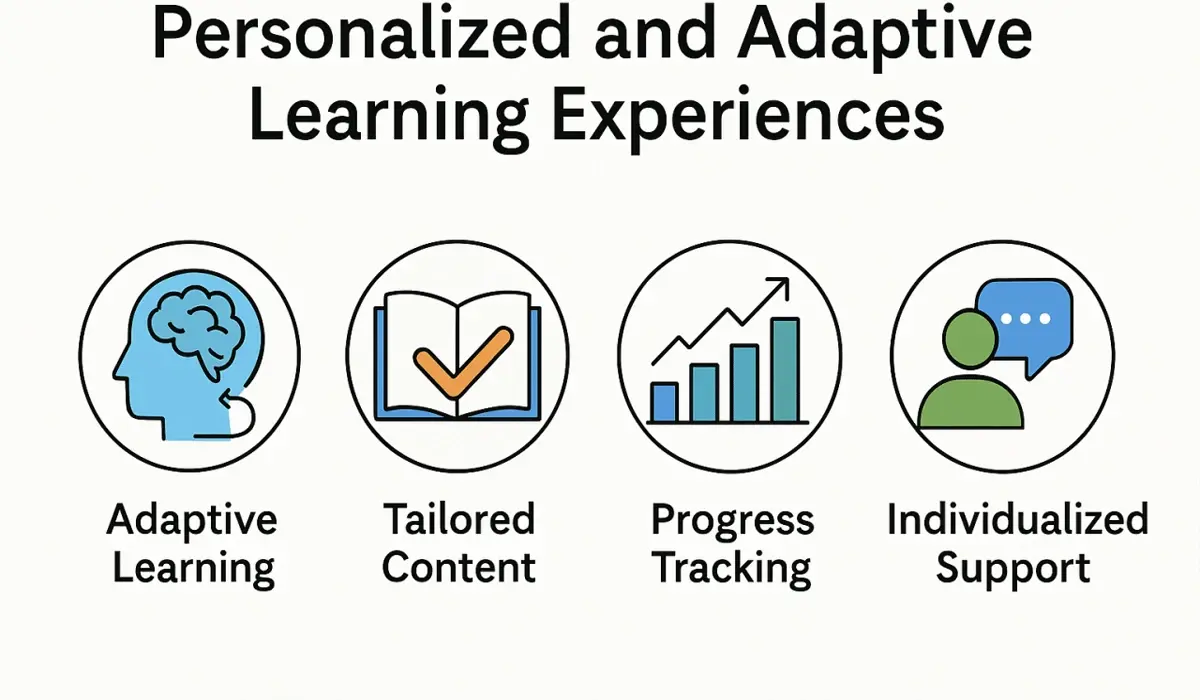
The digital age allows for more adaptive and personalized learning. With the support of an AI (Artificial Intelligence)-based learning system, materials can be tailored to the abilities and needs of each student, For example, students who quickly grasp a topic can be given further challenges. While those who struggle receive additional material gradually.
Personalization also increases learning motivation. Students feel the learning is relevant to their needs and interests, thus increasing engagement. Furthermore, teachers can monitor each student’s progress in real time, intervene timely, and design effective learning strategies.
Gamification in Education
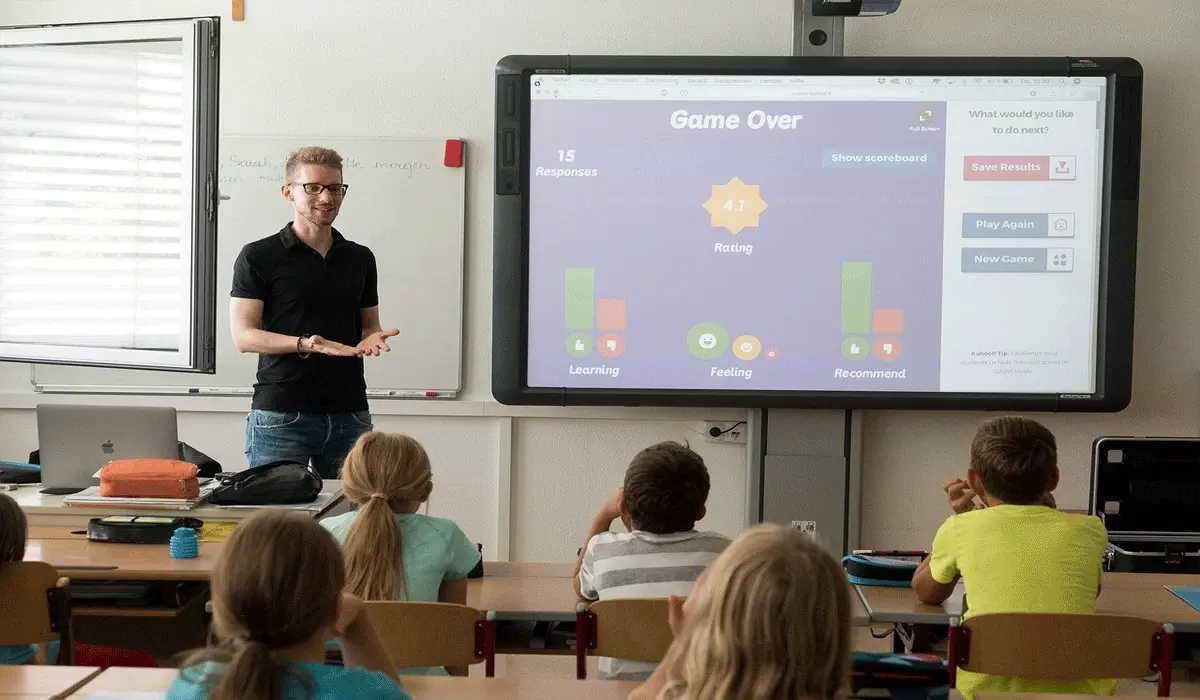
Gamification is an innovative approach that utilizes game elements in learning. With a system of points, levels, challenges, or badges, students are motivated to actively participate and complete tasks. Gamification transforms the learning process into an interactive and fun experience, while also improving retention and engagement.
Furthermore, gamification can be applied to various subject areas, from mathematics to history. For example, interactive game-based quizzes allow students to learn while competing healthily, while virtual simulations help them understand complex concepts through practical experience.
Technology Integration in Digital Learning
Technology integration in education is no longer just a trend; it is a necessity in the digital age, Technology allows teachers and students to interact more flexibly, quickly, and effectively. For example, the use of online learning platforms allows materials. Assignments, and quizzes to be shared in real time, while students can access them at any time. This not only simplifies access to information but also encourages more personalized, independent learning. Thank you for taking the time to explore interesting information about modern digital technology learning at Best Essay Writers, we will provide much more information.
Image Information Source:
First Image: innotechtoday.com
Second Image: linkedin.com