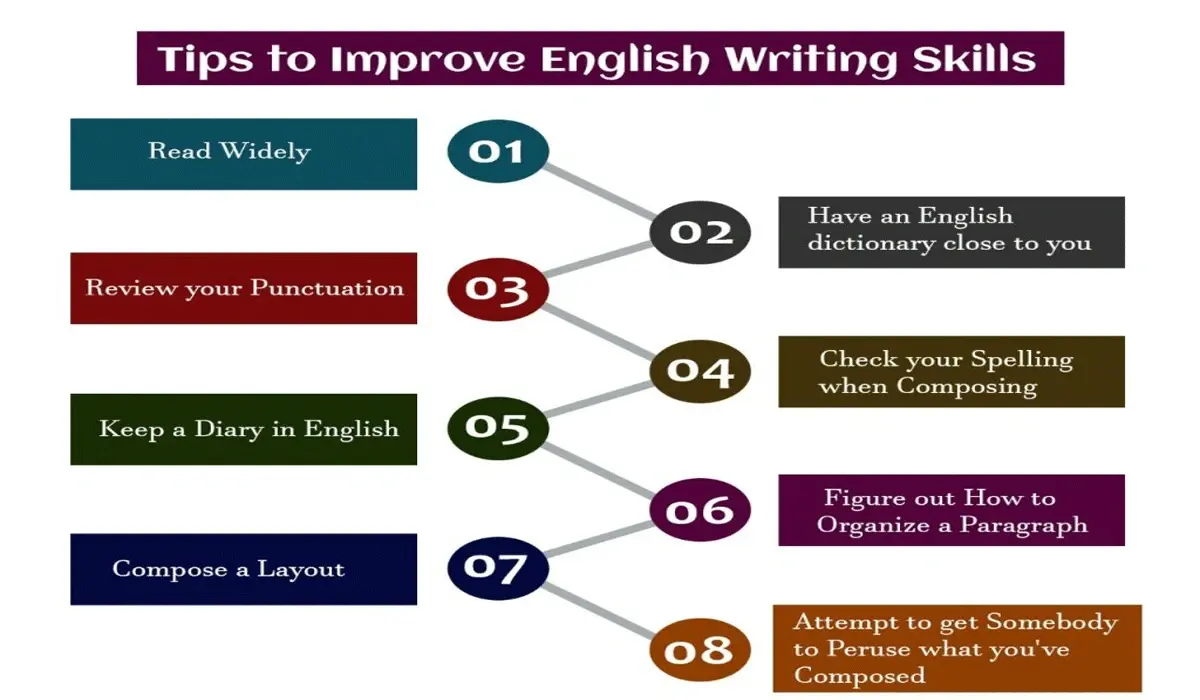
Research and thesis writing can seem like a daunting journey, but with the right strategies and mindset, it becomes a rewarding process that sharpens your knowledge.
critical thinking, and communication skills. Crafting a thesis that is both insightful and impactful requires careful planning, thorough research, and a clear writing approach. Below, Best Essay Writers will provide some explanations regarding smart techniques for efficient research and thesis writing.
Understanding the Research Process
The foundation of any strong thesis begins with a well-defined research process. Research is not just about collecting information; it involves identifying gaps in existing knowledge, formulating meaningful questions, and seeking answers through systematic investigation. Understanding the purpose of your research sets the stage for a focused and coherent thesis.
Selecting the right research methodology is critical. Qualitative research, quantitative research, or a combination of both should align with your research goals and the type of data you aim to gather. Choosing an appropriate method ensures the credibility and reliability of your findings, making your thesis more persuasive and academically sound.
Equally important is understanding the ethical considerations in research. Proper citation, respecting participants’ privacy, and maintaining academic integrity are essential to producing a trustworthy and respected work. Early attention to these details can prevent issues later and strengthen the overall quality of your thesis.
Choosing a Compelling Thesis Topic
A compelling topic is the heart of a successful thesis. It should be relevant, researchable, and interesting to both you and your academic community. A well-chosen topic motivates consistent effort and can make the writing process more engaging.
Brainstorming and preliminary research help narrow broad ideas into a focused research question. Exploring current trends, debates, or gaps in your field can reveal unique angles that set your work apart. A strong topic is often one that addresses real-world problems or contributes meaningfully to scholarly discussions.
Additionally, feasibility plays a crucial role in topic selection. Consider available resources, time constraints, and the scope of your study. Choosing a topic that is too broad or too narrow can hinder progress, whereas a balanced and manageable topic ensures steady and productive research.
Also Read: From Idea to Publication: Trusted Academic Writing Service
Effective Writing Techniques
Writing a thesis requires clarity, structure, and consistency. Each chapter should flow logically, linking your research questions, methodology, findings, and conclusions in a cohesive narrative. Clear headings, well-organized paragraphs, and transitional phrases enhance readability and comprehension.
Supporting your arguments with evidence is essential. Incorporating primary data, credible sources, and relevant literature strengthens your claims and demonstrates a thorough understanding of your subject. Avoiding unsupported statements and maintaining academic rigor elevates the credibility of your work.
Revision and editing are key steps in effective writing. Reviewing your thesis for clarity, grammar, and coherence ensures that your ideas are communicated effectively. Peer feedback, supervisor guidance, and multiple drafts contribute to a polished and professional final document.
Overcoming Common Challenges
Thesis writing presents several challenges, including writer’s block, time management issues, and data interpretation difficulties. Recognizing these hurdles early allows you to develop strategies to overcome them and maintain consistent progress.
Creating a structured timeline can alleviate stress and ensure milestones are met. Breaking the thesis into manageable sections and setting realistic deadlines keeps the process organized and prevents last-minute pressure. Additionally, maintaining motivation through small rewards or peer support can make the journey more enjoyable.
Seeking guidance is another effective way to tackle challenges. Supervisors, mentors, and academic resources provide valuable insights and constructive criticism. Engaging with these support systems helps refine your ideas, avoid common mistakes, and enhance the overall quality of your research.
Conclusion
Mastering research and thesis writing is a combination of careful planning, effective writing, and persistent effort. By understanding the research process, selecting a compelling topic, applying clear writing techniques, and proactively addressing challenges, you can produce a thesis that is both impactful and rewarding. This journey not only contributes to your academic growth but also prepares you for future research endeavors and professional success.
Image Source:
First Image from: essayhubb.com
Second Image from: linkedin.com