Research gives us the opportunity to understand problems in greater depth, generating insights that benefit development.
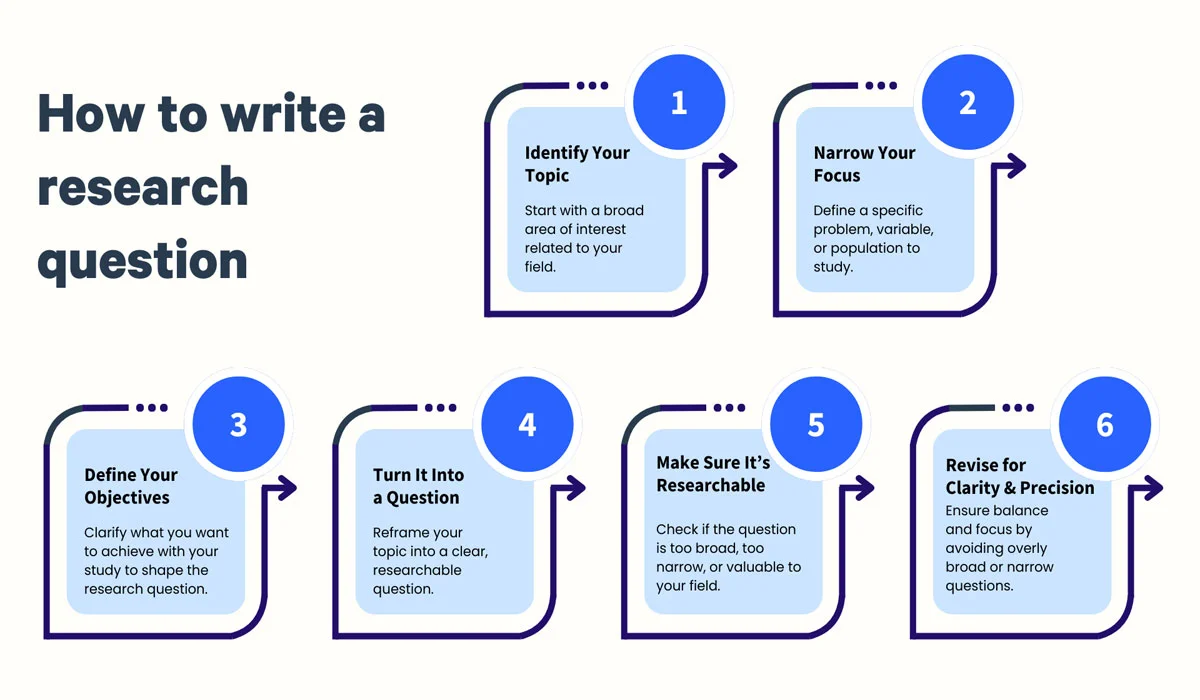
Research is a systematic process of acquiring new knowledge that helps humans understand phenomena, solve problems, and make data-driven decisions. Next, Best Essay Writers will discuss how research plays a vital role in building deep understanding through structured approaches and real-world applications.
The Importance of a Systematic Approach
A systematic approach is the main foundation in every information collection and analysis process so that the results obtained can be scientifically accounted for. Through structured steps, research enables researchers to develop clear objectives, determine appropriate methods, and avoid subjective conclusions.
This approach also helps ensure data is collected consistently so that it can be compared and retested. In practice, a systematic approach is often applied to academic research, product development, and public policy evaluation. For example, in education studies, structured methods help measure curriculum effectiveness based on defined indicators.
Without systematic approach, information is easily biased and difficult to verify. Therefore, using a coherent framework not only improves the quality of results but also builds reader confidence in the findings, which are presented logically and transparently.
The Role of Data in Decision-Making
Data serves as the primary fuel in the analysis process, which aims to produce accurate and relevant decisions. In a professional context, research helps transform raw data into meaningful insights through appropriate processing techniques. The use of data enables organizations to understand trends, predict risks, and design evidence-based strategies.
For example, companies can leverage customer data to improve service quality or develop new products. Without data support, decisions often rely on assumptions that may not be correct. Therefore, proper data management is crucial to ensure information remains valid and can be used optimally. With careful analysis, data becomes more than just numbers, but also a supporting tool that strengthens arguments and policy direction on an ongoing basis.
Also Read: Professional Academic Writing Services for Better Student Performance
Methodology as a Determinant of Quality

Methodology determines how a study is conducted and the robustness of its results. Selecting the right method in research significantly impacts the validity and reliability of the findings. Methodology encompasses the research design, data collection techniques, and the analytical methods used.
For example, qualitative methods are suitable for exploring meaning and perceptions, while quantitative methods are effective in measuring relationships between variables. Choosing the wrong methodology can result in inaccurate or difficult-to-apply results. Therefore, researchers need to understand the characteristics of the problem before determining their approach.
An appropriate methodology helps maintain process consistency, minimize bias, and ensure results can be replicated. This improves the quality of the study and makes its contribution to knowledge development more significant.
Implementing Results in Real Life
Study results have maximum value when they can be applied to solve real-life problems. Through research, theoretical findings can be translated into practical solutions that benefit society. For example, the results of a health study can be used to design more effective disease prevention programs. Implementation requires an understanding of the context so that recommendations are aligned with field conditions.
Furthermore, clear communication of results facilitates stakeholder action. Without implementation, a study remains merely academic documentation. Therefore, it is crucial to ensure that results are accessible, understandable, and adaptable by users. Successful implementation demonstrates that the study process is not only scientifically sound but also has a real and sustainable impact.
Challenges and Opportunities for Development
Every study process faces challenges, ranging from data limitations to dynamic environmental changes. However, these challenges also open up opportunities for innovation in research to produce new, more effective approaches. Technological developments, such as digital analytics and artificial intelligence, are expanding the methods of data collection and analysis.
Meanwhile, researchers need to maintain ethics and integrity to ensure the reliability of their results. Opportunities for cross-disciplinary collaboration are also increasingly opening up, enabling broader perspectives in solving complex problems. By managing challenges adaptively, the study process can continue to evolve and remain relevant. This makes continuous development key to ensuring that knowledge contributions remain in line with current needs.
Image Information Source:
First Image from: www.litmaps.com
Second Image from: www.slideserve.com